القهوة السعودية: أصالة تمتد عبر الزمن
تُعد القهوة
السعودية من أقدم رموز الضيافة العربية وأكثرها ارتباطًا بالهوية الثقافية للمملكة
العربية السعودية.
فهي ليست مجرد
مشروب ساخن يُقدَّم للضيوف، بل طقس اجتماعي متكامل يحمل معاني الكرم، والاحترام،
وحُسن الاستقبال.
ارتبطت
القهوة بالمجالس منذ قرون، وكانت ولا تزال أول ما يُقدَّم للضيف في البيوت
والمناسبات الرسمية والشعبية.
تتميّز القهوة السعودية بلونها الأشقر الذهبي، وهو
ناتج عن التحميص الخفيف لحبوب البن العربي.
ويمنح
هذا التحميص نكهة خفيفة ومتوازنة تختلف عن القهوة الداكنة المعروفة في ثقافات أخرى.
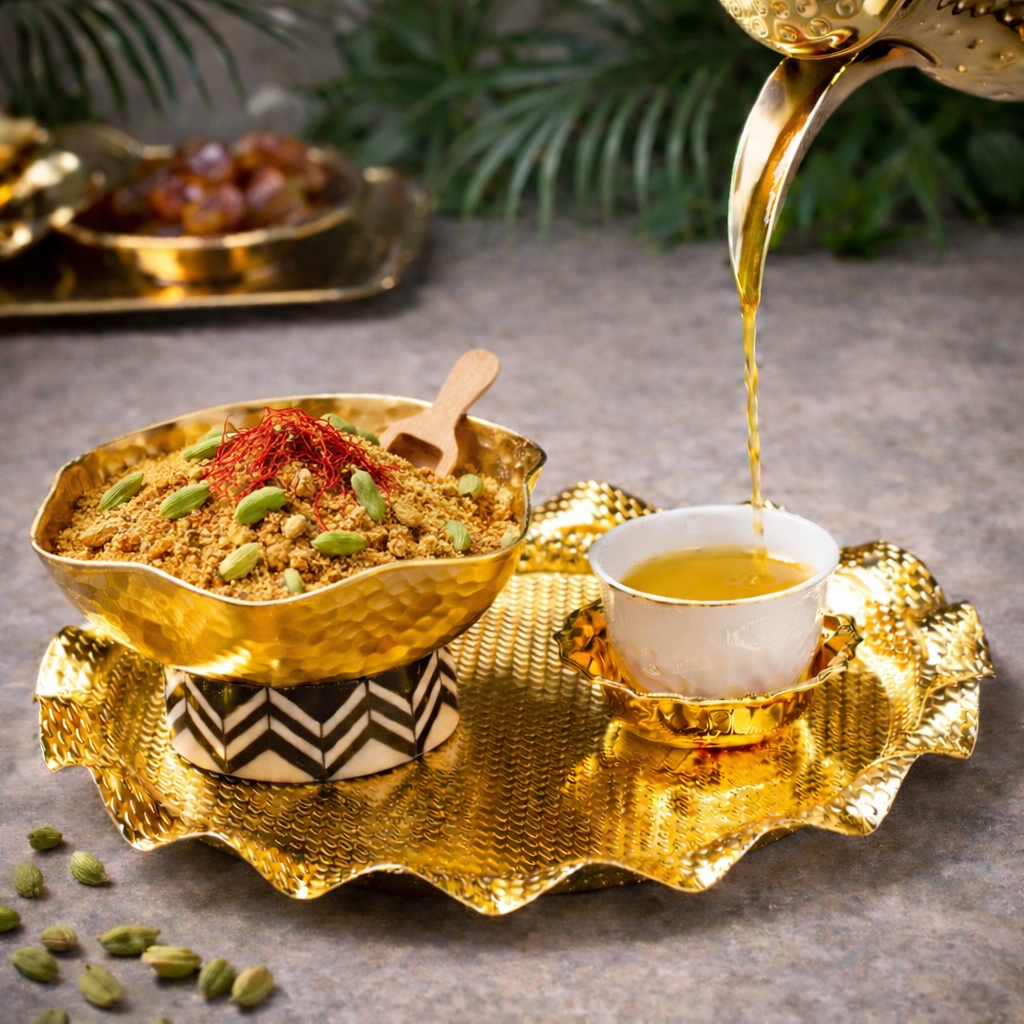
وتُضاف
إلى القهوة السعودية مكونات عطرية طبيعية، في مقدمتها الهيل، الذي يُعد عنصرًا
أساسيًا لا غنى عنه.
في بعض المناطق، يُضاف الزعفران لإضفاء لون ذهبي أجمل
ولمسة فاخرة في الرائحة والطعم.
وقد
تختلف طريقة التحضير قليلًا من منطقة إلى أخرى، إلا أن الأساس واحد: البساطة،
والنقاء، والاعتدال في النكهة.
تبدأ رحلة القهوة السعودية باختيار حبوب البن العربي
عالية الجودة.
ثم
تُحمّص تحميصًا خفيفًا بعناية حتى تصل إلى اللون المطلوب دون احتراق.
بعد
ذلك يُطحن البن طحنًا ناعمًا أو متوسطًا ليصبح ما يُعرف بمطحون القهوة الشقراء.
يُغلى الماء في الدلة، ثم يُضاف البن ويُترك على نار
هادئة لفترة محددة.
وبعد
اكتمال الغلي، يُضاف الهيل، ويمكن إضافة الزعفران أو القرنفل حسب الذوق.
تُترك
القهوة لتترسّب قبل تقديمها، حفاظًا على صفاء المذاق.
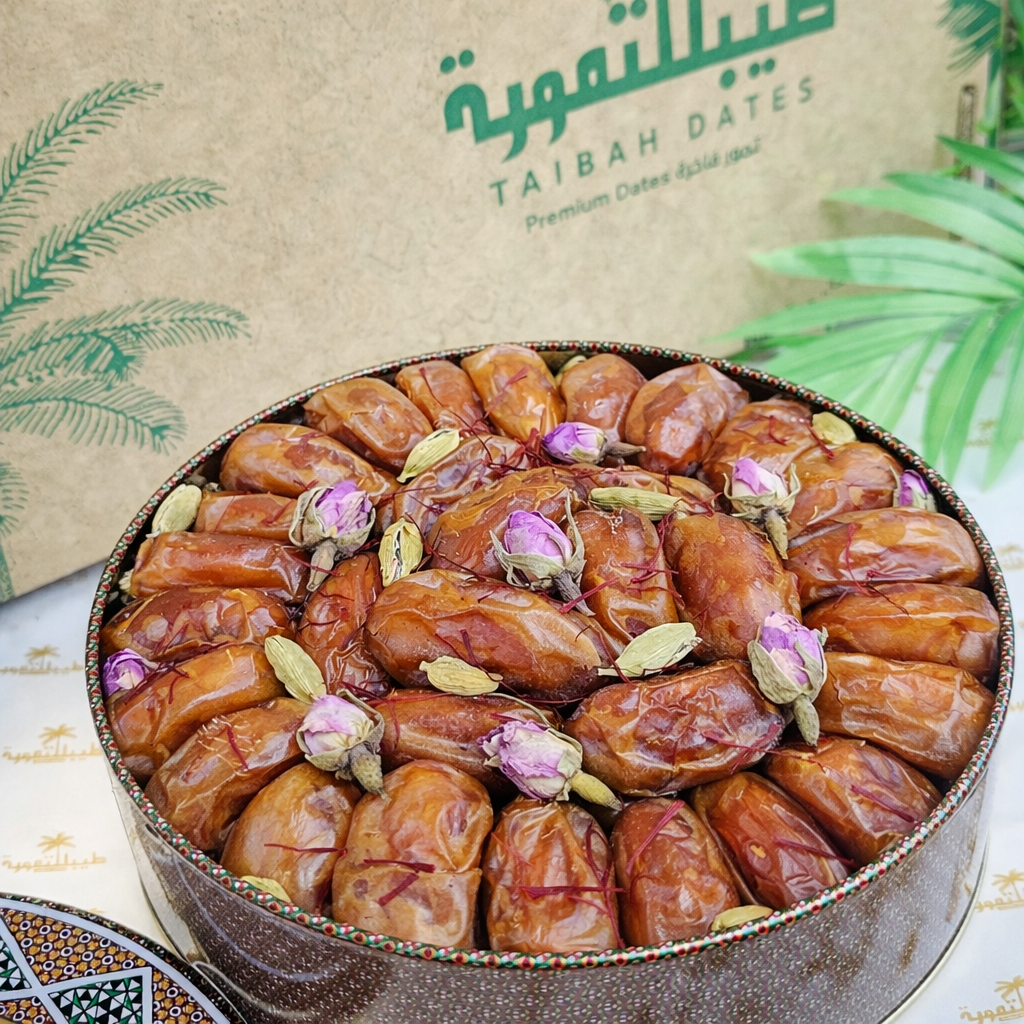
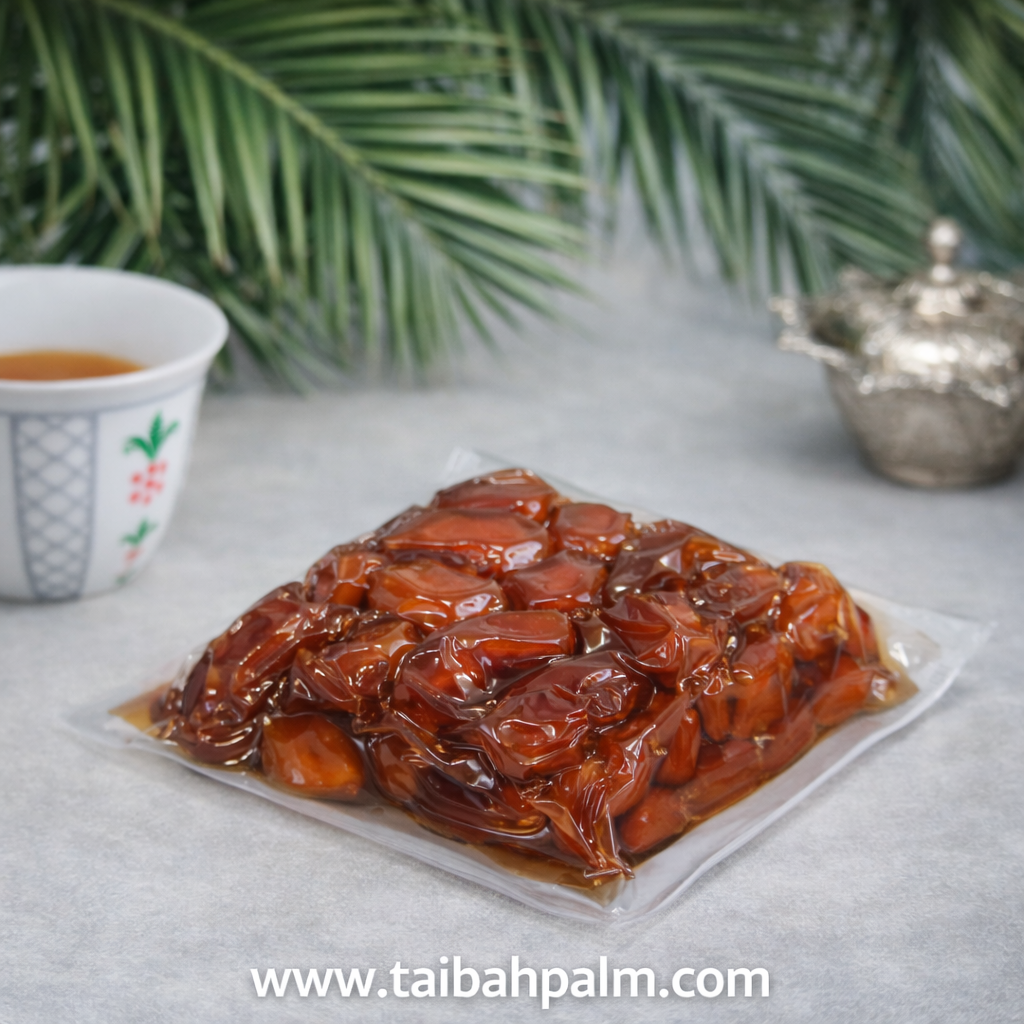
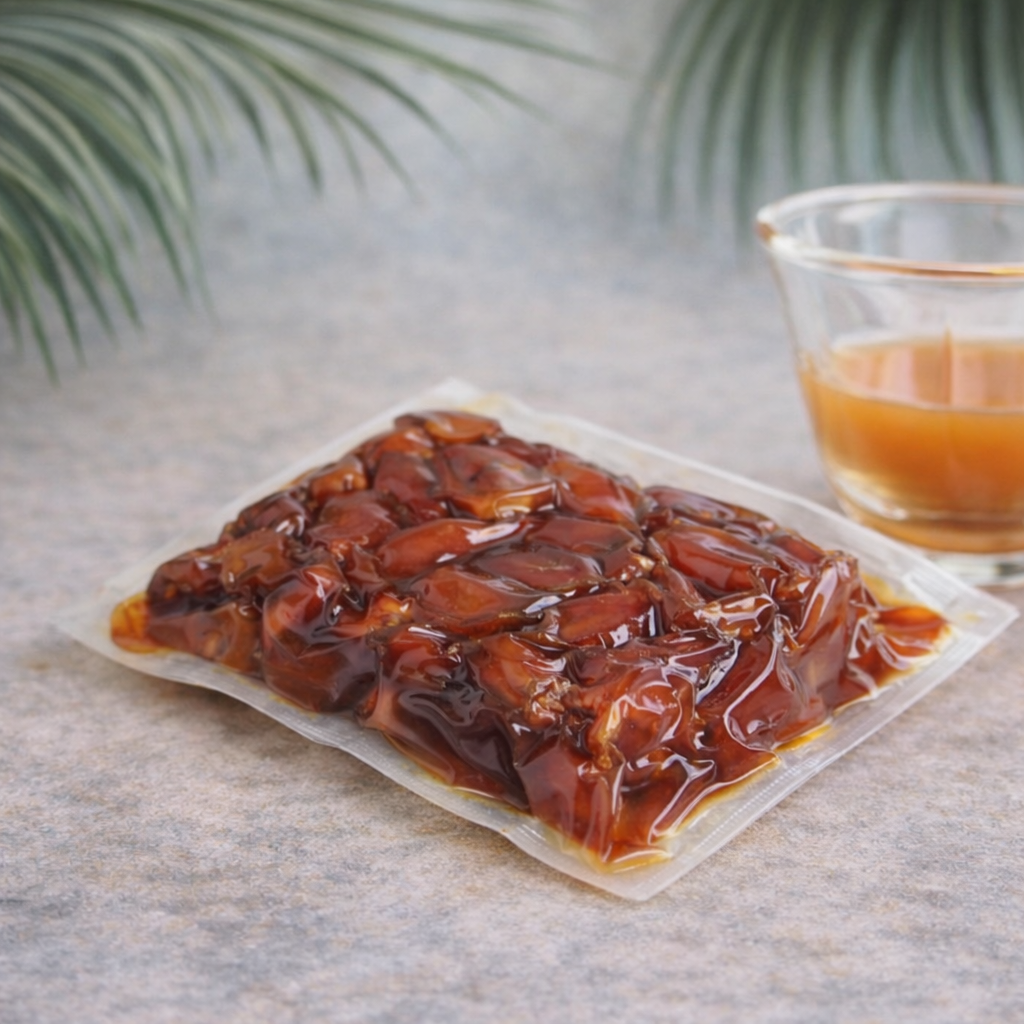
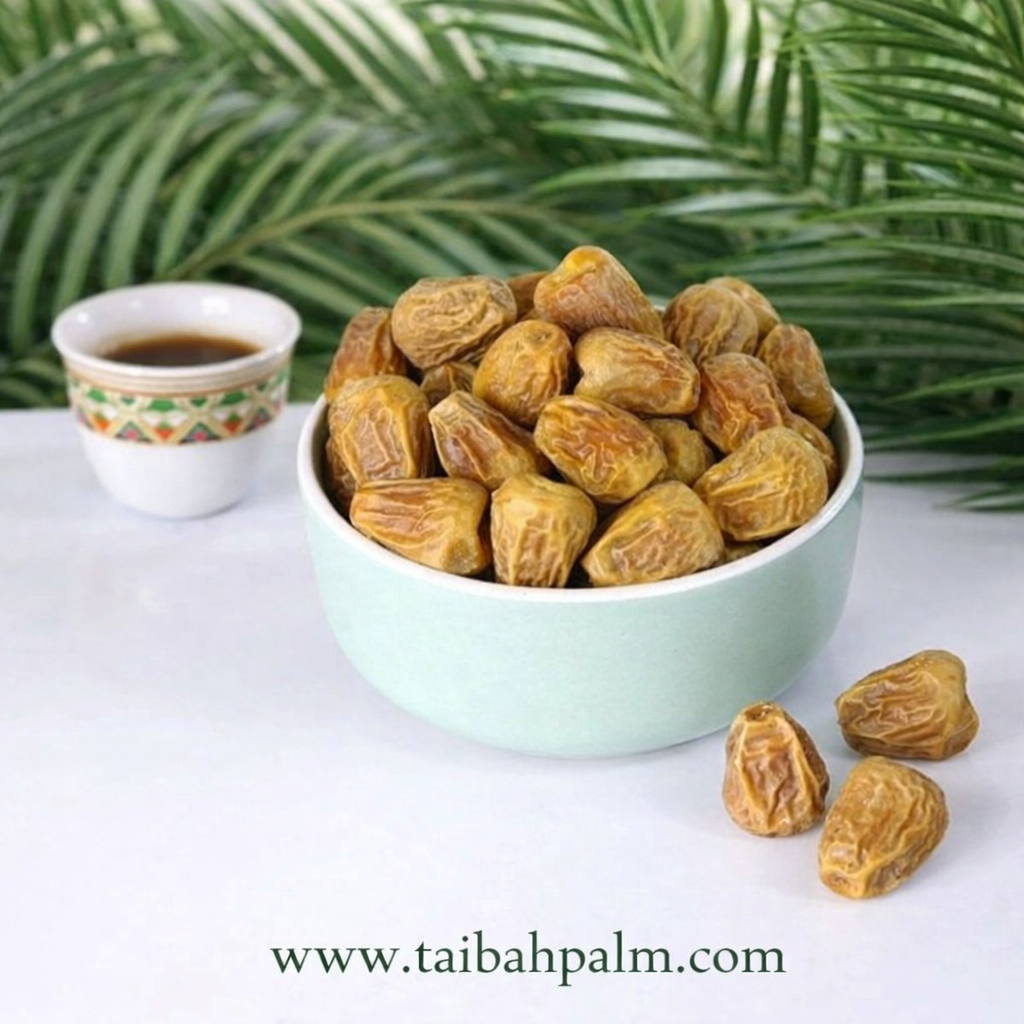
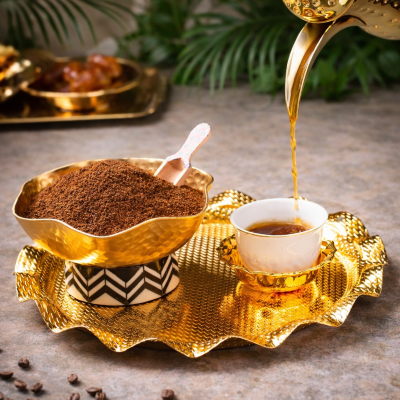
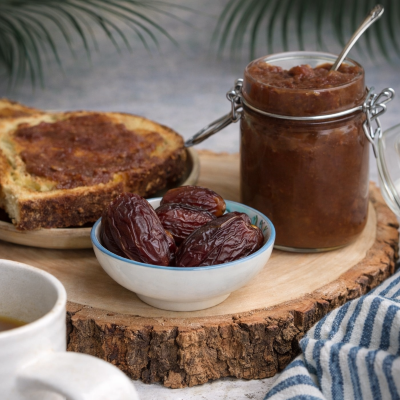
تُقدَّم القهوة السعودية في فناجين صغيرة دون سكر،
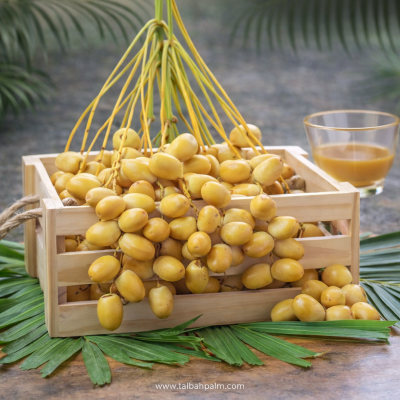
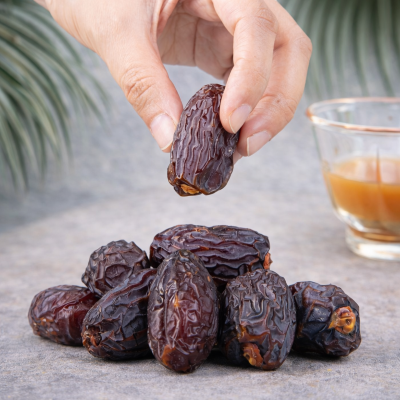
وغالبًا تُرافقها التمور.
ويمثل
هذا التقديم انسجامًا مثاليًا بين مرارة القهوة الخفيفة وحلاوة التمر الطبيعية.
وللقهوة السعودية آداب خاصة في التقديم؛ حيث تُصب
باليد اليمنى، ويبدأ التقديم بكبار السن أو الضيوف المكرمين.
ولا
يُملأ الفنجان بالكامل، في إشارة إلى الرقي واحترام العرف.
لقد أصبحت القهوة السعودية اليوم رمزًا وطنيًا معترفًا
به عالميًا،
وأُدرجت
ضمن قائمة التراث الثقافي غير المادي في اليونسكو.
وهي
حاضرة بقوة في المناسبات الرسمية، والأعياد، وشهر رمضان، والمجالس اليومية.
إن القهوة السعودية ليست مجرد مشروب، بل قصة تراث،
وهوية، وذاكرة اجتماعية تُورَّث من جيل إلى جيل.
Saudi Coffee: A Living Heritage of Hospitality
Saudi coffee is one of the oldest and most significant symbols
of hospitality in Saudi Arabia.
It is far more than a hot beverage; it represents generosity, respect, and
cultural identity.
For centuries, Saudi coffee has been an essential element of social gatherings
and traditional councils.
Saudi coffee is distinguished by its light golden color, resulting
from lightly roasted Arabic coffee beans.
This light roast creates a smooth and delicate flavor, different from darker
coffee varieties.
Its aroma is enriched with natural spices, most notably cardamom, which is
considered essential.
In some regions, saffron is added to enhance both color and
fragrance, giving the coffee a luxurious touch.
Although preparation methods may vary slightly across regions, the essence
remains the same.
The process begins with carefully selecting high-quality Arabic
coffee beans.
The beans are lightly roasted until they reach a pale golden shade without
burning.
Once cooled, the beans are ground to a fine or medium consistency, known as
blonde coffee grounds.
Water is boiled in a traditional dallah, and the ground coffee
is added gently.
The mixture simmers slowly, allowing flavors to develop naturally.
Cardamom is then added, with optional saffron or cloves depending on preference.
Before serving, the coffee is allowed to settle to ensure
clarity and balance in taste.
Saudi coffee is served unsweetened in small cups, traditionally accompanied by
dates.
This pairing creates a perfect harmony between mild bitterness and natural
sweetness.
There are specific customs associated with serving Saudi coffee.
It is poured using the right hand, starting with elders or honored guests.
Cups are never filled completely, symbolizing elegance and refined hospitality.
Today, Saudi coffee is recognized globally as a cultural icon.
It has been officially listed as part of UNESCO’s Intangible Cultural Heritage.
Saudi coffee remains central to daily life, religious occasions, and national
celebrations.
Ultimately, Saudi coffee is not just a drink,
but a living tradition that reflects history, values, and the spirit of Arabian
hospitality.
Tag :
القهوة السعودية، القهوة العربية، القهوة الشقراء، طريقة تحضير القهوة السعودية، الهيل، الزعفران، الدلة السعودية، الضيافة العربية، تراث القهوة، مجالس العرب، القهوة التقليدية، البن العربي,
Saudi coffee,
Arabic coffee,
blonde coffee,
Saudi coffee preparation,
cardamom coffee,
saffron coffee,
dallah coffee,
Arabian hospitality,
coffee heritage,
traditional coffee,
Arabic beans
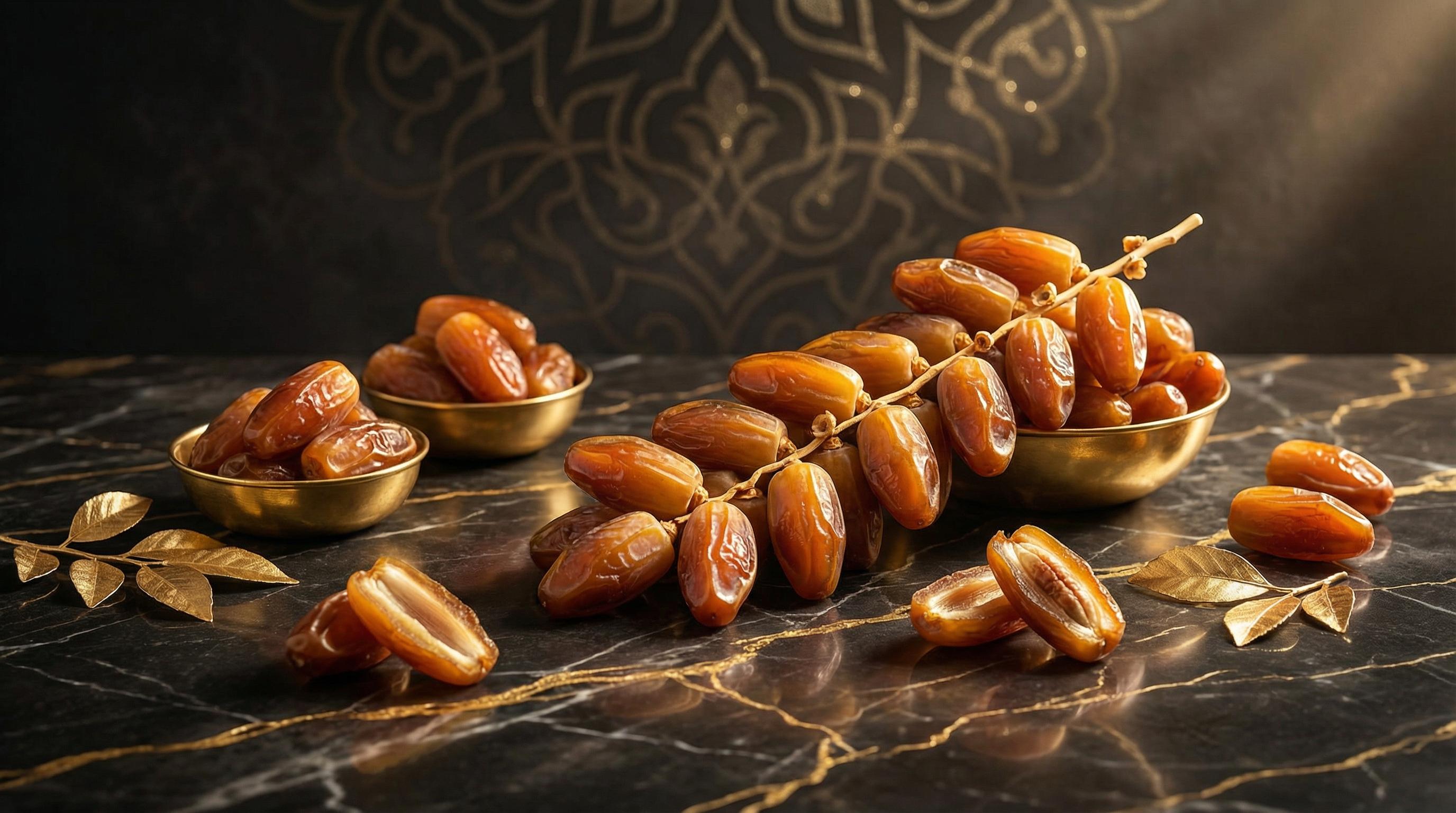


 عجينة تمر
 خلطة الطاقة