
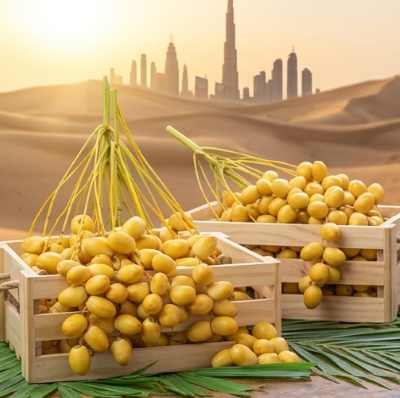
 رطب الموسم الطارج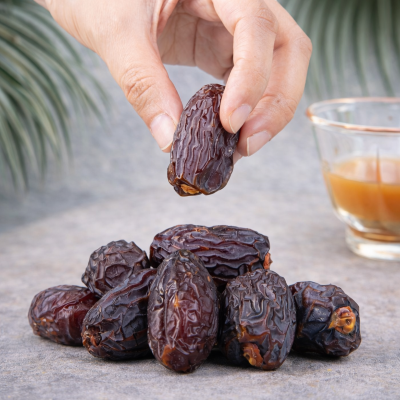
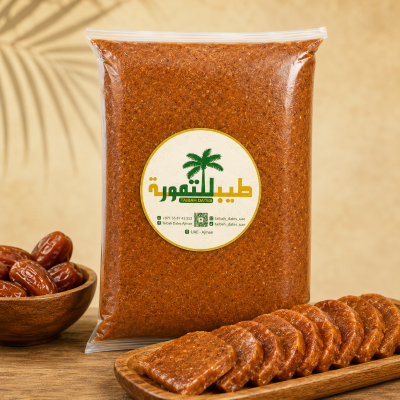 عجينة تمر
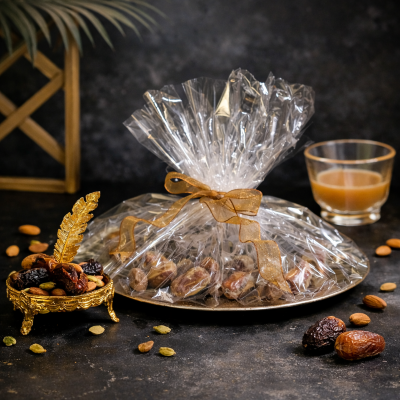
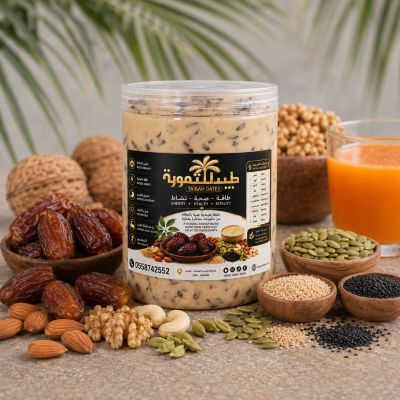 خلطة الطاقة
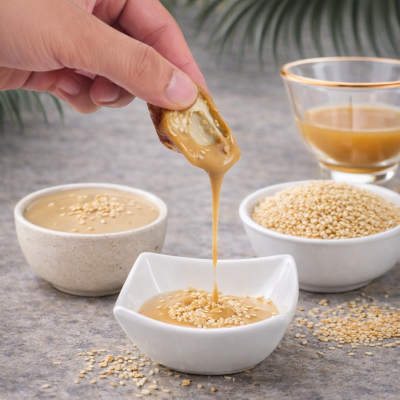
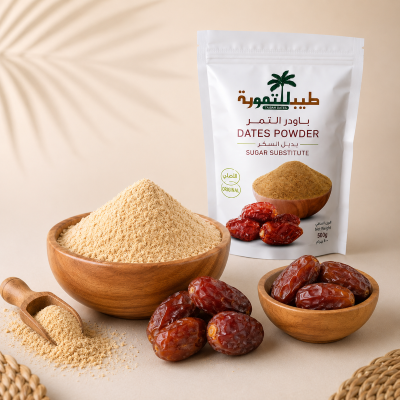 باودر التمر - بديل السكر
تمر الخلاص السعودي: الفوائد والقيمة الغذائية ..
Feb 01 - 2026
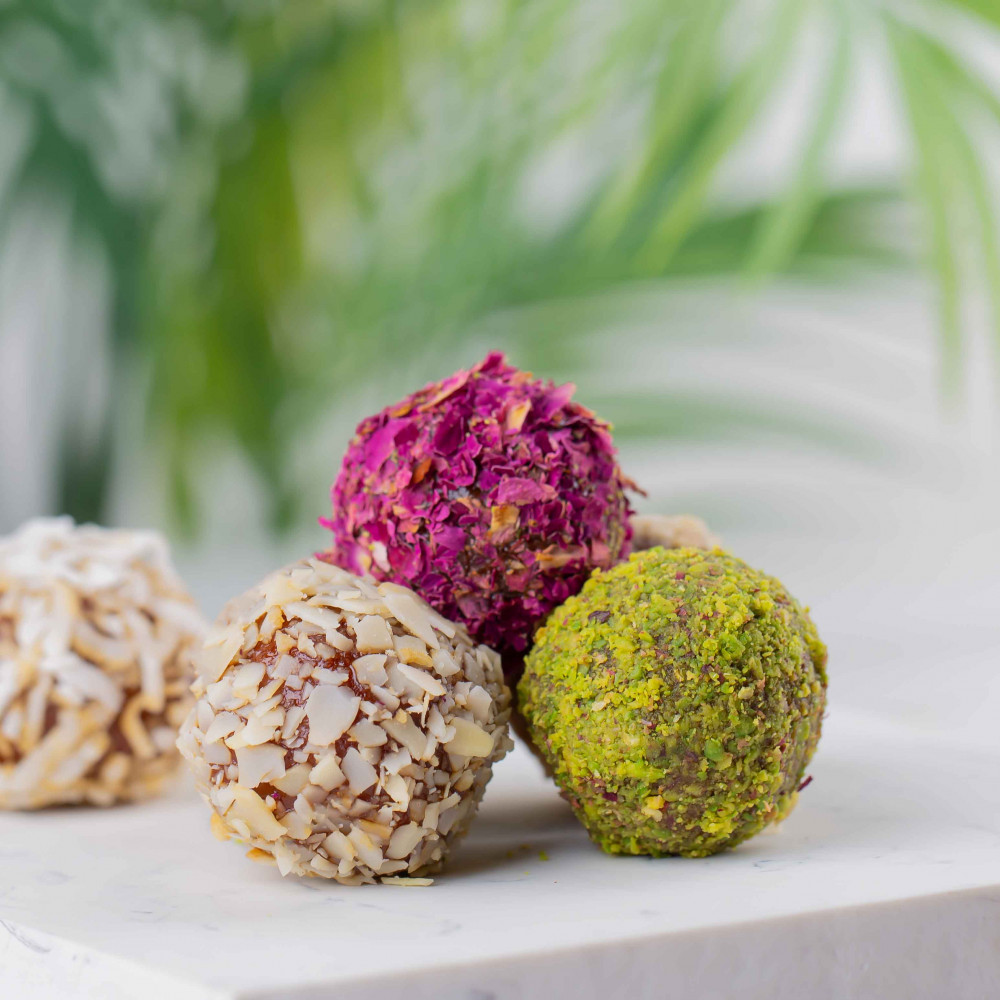
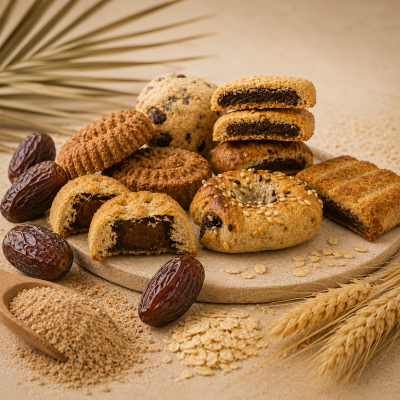
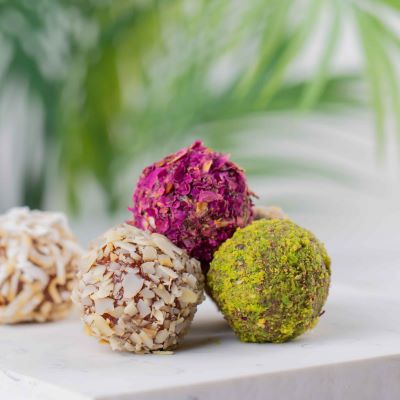
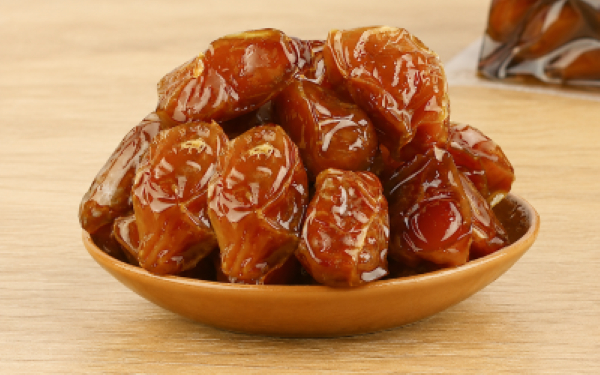
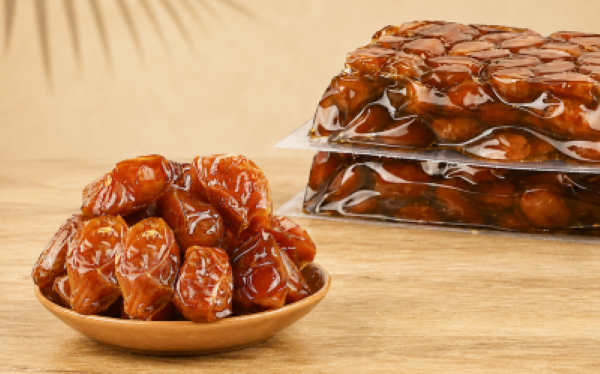
تُجسّد حلويات التمور المعروفة بالتمرية إحدى
أرقى صور تطوّر الغذاء العربي من كونه حاجة يومية إلى تجربة ذوقية متكاملة.
فالتمر،
الذي شكّل عبر قرون طويلة عماد الغذاء في المجتمعات العربية، لم يبقَ محصورًا في
شكله التقليدي، بل تطوّر ليواكب ذائقة العصر دون أن يفقد هويته.
التمرية ليست مجرد حلوى، بل امتداد طبيعي لعلاقة
الإنسان العربي بالنخلة، تلك الشجرة التي لم تمنحه الغذاء فقط، بل علّمته معنى
الصبر، والعطاء، والاستمرارية.
ومن
هذا العمق الثقافي وُلدت التمرية، لتكون جسرًا بين الماضي والحاضر.
في المجالس العربية القديمة، كان التمر يُقدَّم
باعتباره رمزًا للكرم وحسن الاستقبال.
ومع
تغيّر أنماط الحياة، برزت الحاجة إلى تقديم هذا الرمز بأسلوب جديد، يواكب الذوق
الحديث ويحافظ في الوقت نفسه على جوهره الأصيل.
هنا
ظهرت التمرية كحل ذكي يجمع بين البساطة والفخامة.
ما يميّز التمرية عن غيرها من الحلويات هو قدرتها على إقناع
الذائقة دون إثقالها.
فهي
لا تعتمد على المبالغة في الحلاوة، ولا تسعى لإبهار سريع، بل تقدّم تجربة متوازنة
تُشعر المتذوّق بالرضا والانسجام.
وهذا
ما جعلها تحظى بقبول واسع بين مختلف الفئات العمرية.
في سياق التغذية الحديثة، باتت التمرية تمثّل نموذجًا
لما يُعرف بـ “الحلوى الواعية”.
حلوى
لا تقوم على التناقض بين الطعم والصحة، بل على الجمع بينهما في إطار متزن.
ولهذا
السبب، أصبحت جزءًا من نمط الحياة الصحي لدى كثيرين.
كما لعبت التمرية دورًا مهمًا في إعادة
تعريف الضيافة العربية.
فلم
تعد الضيافة محصورة في الكثرة أو التنوّع، بل في جودة ما يُقدَّم وقيمته الرمزية.
والتمرية،
بحضورها الأنيق وطابعها الهادئ، أصبحت خيارًا مثاليًا لهذا المفهوم الجديد.
في المناسبات الدينية، ولا سيما في شهر رمضان، تبرز
التمرية بوصفها حلوى تحمل معنى خاصًا.
فهي
ترتبط بالإفطار، بالاجتماع، وباللحظة التي يجتمع فيها الطعم مع الروح.
ولهذا
السبب، اكتسبت مكانة وجدانية تتجاوز كونها منتجًا غذائيًا.
اقتصاديًا، ساهم انتشار التمرية في فتح آفاق جديدة
لصناعة التمور.
فلم
تعد القيمة محصورة في التمر الخام، بل في ما يمكن أن يتحوّل إليه من منتج راقٍ
قابل للتطوير والتصدير.
وهنا
تبرز التمرية كمنتج يحمل الهوية المحلية بلغة عالمية.
كما أن التمرية تمثّل مثالًا ناجحًا على الابتكار
القائم على التراث.
فهي
لم تنفصل عن أصلها، ولم تحاول تقليد حلويات دخيلة،
بل
انطلقت من التمر نفسه، وطوّرت شكله ودوره بما يتناسب مع العصر.
وفي عالم سريع الإيقاع، حيث يبحث الناس عن البساطة ذات
المعنى،
تقدّم
التمرية نفسها كخيار صادق،
لا
يدّعي، ولا يبالغ،
بل
يقدّم ما يكفي ليُرضي الذوق ويُحترم العقل.
يمكن القول إن حلويات التمور (التمرية)
ليست
مجرد مرحلة عابرة في عالم الحلويات،
بل
تعبير عن تحوّل ثقافي في فهمنا للطعام،
حيث
يصبح الغذاء تجربة،
والحلوى
رسالة،والتمر حكاية لا تنتهي.
Date sweets, known as
Tamriya, represent one of the most refined evolutions of traditional
Arab food culture. Rooted deeply in the history of the date palm, tamriya
reflects how a simple, essential fruit has transformed from a daily source of
nourishment into a sophisticated culinary experience.
For centuries, dates
were the foundation of life in Arab societies. They were not only food, but a
symbol of survival, generosity, and stability in harsh desert environments.
Tamriya emerges from this legacy, carrying the spirit of the palm tree into a
modern form without losing its identity.
Tamriya is not merely
a dessert; it is a continuation of the long relationship between people and the
date palm. Just as the palm tree gives endlessly with patience and resilience,
tamriya embodies balance, authenticity, and quiet richness rather than excess.
In traditional Arab
gatherings, dates were always offered as a sign of welcome and respect. As
lifestyles evolved, the need arose to present this symbol of hospitality in a
form that aligns with contemporary tastes. Tamriya answered that need by
preserving the soul of the date while offering a refined presentation suited
for modern occasions.
What distinguishes
tamriya from many other desserts is its ability
to satisfy without overwhelming. It does not rely on excessive
sweetness or artificial intensity. Instead, it offers harmony—allowing flavor,
texture, and simplicity to coexist naturally. This balance has contributed to
its growing popularity among different generations.
Within the context of
modern nutrition, tamriya represents what is often described as a conscious dessert. It
reflects a shift in consumer awareness, where enjoyment is no longer separated
from mindfulness. People increasingly seek foods that align with their values,
and tamriya fits seamlessly into this philosophy.
Tamriya has also
reshaped the concept of Arabian
hospitality. Hospitality today is no longer defined by
abundance alone, but by quality, intention, and meaning. With its elegant
presence and understated character, tamriya has become a refined expression of
welcoming guests with care and thoughtfulness.
During religious and
cultural occasions—especially in Ramadan—tamriya holds a deeper emotional
significance. It is associated with moments of gathering, reflection, and
shared experience. In these moments, food becomes more than nourishment; it
becomes part of memory and tradition.
From an economic
perspective, the rise of tamriya has expanded the value of date-based products.
Dates are no longer viewed solely as raw agricultural goods, but as the
foundation for innovative, high-value creations that can reach global markets
while preserving local identity.
Tamriya also stands as
a strong example of heritage-driven
innovation. It does not imitate foreign desserts or abandon its
roots. Instead, it evolves naturally from the date itself, respecting tradition
while embracing creativity.
In a fast-paced world
where simplicity is increasingly appreciated, tamriya offers authenticity
without exaggeration. It does not seek attention through excess, but through
honesty, balance, and depth of flavor.
Ultimately, date sweets (tamriya) are
not a passing trend. They represent a cultural shift in how food is
perceived—where tradition meets intention, where taste carries meaning, and
where the date palm continues to tell its story in a new and elegant form.
Feb 01 - 2026
Feb 01 - 2026
Feb 01 - 2026
Feb 01 - 2026